
Interview: How Ryan Giesecke Became the Unofficial Archivist of Dallas’ Musical History

Author:
By
Post date:
July 15th, 2011 2:19pm

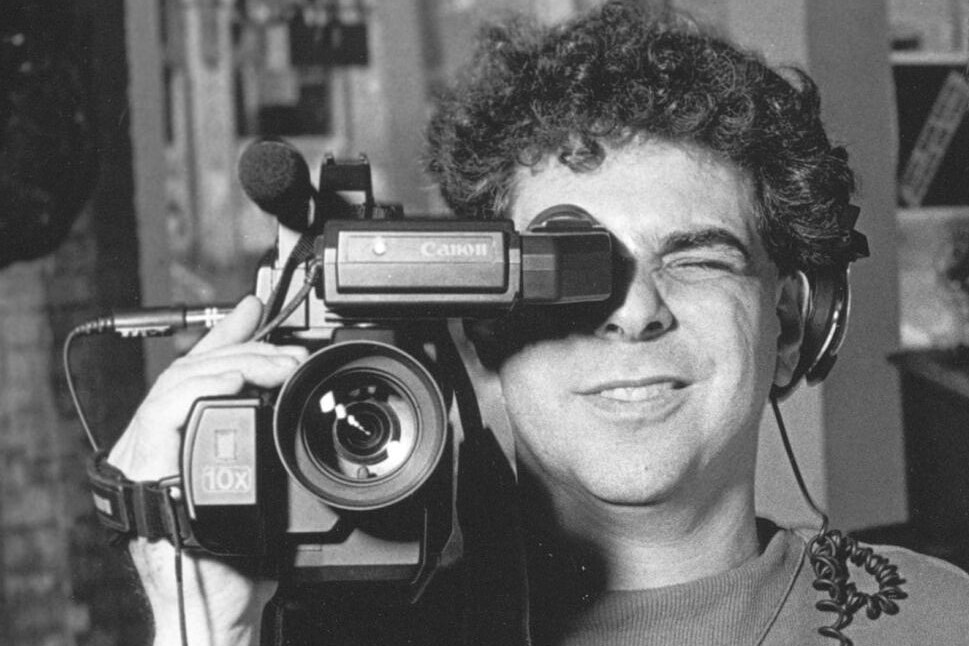
Local musician and documentarian Ryan Giesecke has been recording most of the shows he’s attended for about a decade now. As such, he has quietly amassed a rather impressive collection, which only continues to grow in value, due to the fact that a large number of these acts and the places in whey they performed don’t exist anymore. Giesecke diligently maintains a blog called Sounded Like This that is, in some cases, one of the only places where you can see or hear certain chapters of DFW music history. Lately he has contributed by way of opening up the garage at his Lakewood residence to both artists and fans. Just a few days ago he hosted a show that featured True Widow. Giesecke recently spoke to FrontRow about his recording activities, his motivations, and how Dallas-Fort Worth music has changed and how it’s stayed the same.

FrontRow: Tell us about how you got started. Were you shooting talent shows on Super VHS in the 90′s?

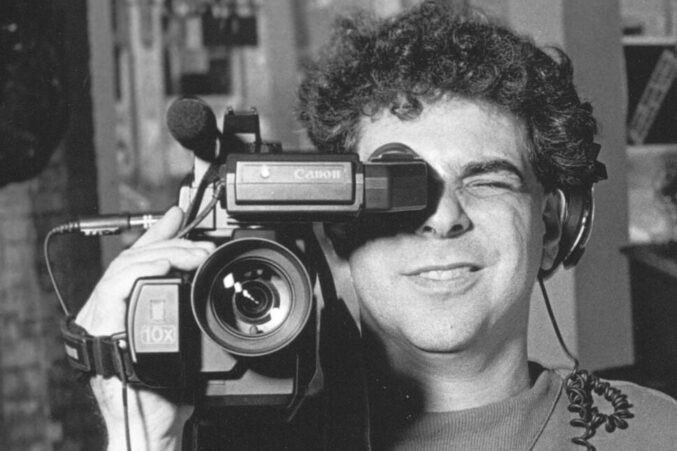
Ryan Giesecke: I’ve always been on verge of obsessive in regards to my collections, and music of any sort is at the top of that list. Aside from some rough demos of high school acts, my first recording was at Dreamworld Music Complex in 2001. I showed up with a brand new mini-disc recorder and asked the sound-guy for help. The band wouldn’t allow a board feed, and so was borne a disastrous mic-through-adapters recording interspersed with pops and crackles. A week later I got quality mics in the mail, and by late 2001 I was carrying a Hi8 video camera that I still nurse through letting me rip tapes sometimes.

FR: By a quick count, you have amassed recordings and video from over 300 acts on your Sounded Like This blog. Any idea how many individual recordings you have? How many individual videos?

RG: To be honest, I have no idea. I could tell you how many sets/shows I’ve recorded since the start of the blog in February 2010, but I wasn’t always this organized. I’ve currently got a 12-inch stack of unlabeled mini-discs from 2001-2005-ish sitting on my desk, waiting for me to listen to each of the sets on each multi-hour disc in hopes of recognizing artists and remembering venues. I didn’t record as much video over the years, simply because I’m too much of an audiophile to settle for camera audio. Affording/carrying/manning a camera was always in addition to my audio equipment, never in place of it.

FR: What has changed about your methodology since the early days? What works and what do you now know not to do?

RG: The blog is new. Everything used to just go on the shelf when I was tired of re-listening to it. Even so, there was a time when I would obtain the band’s permission for every recording, before every show. These days I record primarily in the local and underground scenes, where musician objections are rare enough to seem almost fictional, and in recent times I’ve simply posted the offer of removal with each recording.

Also, the equipment is different. The ability to USB transfer from memory card instead of dubbing recordings over in real time is a difference that makes keeping my blog up-to-date manageable where it might not have been in the past.

FR:  On your blog’s FAQ, you point out that you don’t run a review site, since you have labeled everything as “awesome.” At this point is the quality of the act a concern to you at all? Have you become completely desensitized to what you’re documenting? Or is the opposite: Do you focus even more on the nuances of each show? Name a performance that stands out as particularly transcendent or truly “awesome.”

RG: My perception of the quality of the act(s) is always the main factor in whether or not I attend any given show, but after deciding to attend a performance there is really no question of whether or not I want to document it. I definitely don’t consider myself desensitized to the quality level of what I’m recording, but I’ll admit there’s a certain level of detachment to my show experience. From my perspective “the audience” is part of what I’m recording, while I’m not.

I’ve contemplated expanding the blog to be more accessible to guest contributions of material I’m lacking, such as reviews and photos. It would probably just take someone persistently expressing interest.

My favorite recording would have to be a Melt Banana/Yeti show from Rubber Gloves, 2003. I got a OneLineDrawing acoustic sidewalk set one night outside Gypsy Tea Room that I always thought was pretty special. And I’ve got a soft spot for acts like Machine Gun Romantics and Orgullo Primitivo for pressing my recordings in with their own.

FR: Are there ever moments where the physical element of the show becomes overwhelming and you wish you weren’t taping or recording? Do you ever feel like hitting pause and just diving in?

RG: There are times when my show experience is limited and this ongoing project feels a bit like a job. Sometimes moving around or singing along gets more tempting. I forgot backup batteries to a show last year and had a really good time just getting in the mood and moving a bit, but taping is enough of a habit that there’s a sense of sadness to hearing a good show and not having an audio capture of it. I still haven’t had another opportunity to record that act, and I still want to.

FR:  You have a lot of (in my opinion) valuable archival footage and audio of the DFW music scene when it was vastly different, particularly the local underground. What has changed in your opinion since say the days of Rito’s Family Restaurant and the surrounding activity associated with it? What do you particularly miss about it?

RG: I miss shows where the whole audience watched the whole set from every band, because that was part of what it meant to support your scene/band/venue/friends. I miss feeling like a cooperative music community extended beyond a particular band or sub-genre or venue. We have a solid scene in DFW today, but I wish it felt less fragmented.

That said, a lot hasn’t changed. There are still quality non-profit community-run diy venues in DFW. Phoenix Project (Dallas) and 1919 Hemphill (Fort Worth) both host a steady flow of underground acts. My girlfriend and I have hosted several house shows in the last couple months, and attended several elsewhere. You can still give a touring band a place to stay and get courteous guests that leave a thank you note in the morning.

FR: You played in OMG!! You’re Dead, a band that was fairly notorious at the time in which they existed. What impact did playing with that group have on your life? How has your constant habit of documentation changed the way you make music, if at all?

RG: The people that I played with in OMG You’re Dead were my first view of the DIY scene in Dallas. Through the silly lyrical concepts and screaming came an introduction to the core ethic that drives spaces like Rito’s (R.I.P.), Nick’s (R.I.P.), & 1919 Hemphill, and that was life-altering for me.  Seeing group effort running a venue for music that didn’t have or want a place in the world of guarantees and management companies appealed to the same part of me that thought the music industry should be appreciating archival efforts, rather than opposing their existence as they had in the past.

I’ve spent a lot of time recording that I might otherwise have spent making music of my own.  I don’t have any active bands at the moment, but I’ve got numerous recording projects out recently, including work on This Will Destroy You and Leg Sweeper videos by Jump/Cut Studios, and recording “The Dallas Sessions” for the Seattle-based act, The Stravinsky Riots, in the process of setting up their Dallas show last month.

FR: Have any artists asked you to take items down? Does anyone ever notice you’re recording at the show and say something to you?

RG: I’ve only had one artist request (and promptly receive) removal from my blog, and no explanation of their motivation was offered. I think most modern musicians realize that most people interested in downloading these recordings are on their way to/from purchasing an album or going to a show. My blog and its content are free and provide a positive reflection of what each performance actually sounded like.  These are for the fans, not the pirates.

I’m relatively subtle about recording most of the time, so people who notice at a show generally know what they’re looking at and have positive reactions. I just appreciate people that wait until between sets to spark up a conversation, rather than overshadow the music on the recording. More often than not it’s a friendly question about hearing the outcome, or whether I know another Dallas archivist with whom they are/were familiar.

Certain venues (Deep Ellum Live comes to mind) were strongly opposed to recording devices in years gone by, but the advent of smart phones pretty thoroughly changed any hope of banning recording in the live music scene as a whole.

FR: I’ve been thinking of making my own local music version of Exit Through The Gift Shop with you as the star. Interested?

RG: Wouldn’t I have to stoop to mass production of derivative music first? I think you just want a monkey mask.


1 comment

  1. Awesome interview Ryan. People at Front Row really pay attention to whats going on around here. Keep up the good work Ryan/Front Row.

    Justin Gomez @ 2:08 am on July 17, 2011

Comment

* required fields